The Environmental Benefits of Using Eco-Friendly Masonry Paint
Introduction
As conversations about sustainability and environmental responsibility grow louder, homeowners, construction professionals, and businesses are rethinking the materials they use for building projects. Among these, masonry paint plays a surprisingly pivotal role, especially given its widespread application to homes, offices, schools, and public infrastructure. In the past, traditional masonry paints contained harmful chemicals and were manufactured in ways that contributed to environmental damage. However, the tide is changing with the rise of eco-friendly masonry paints.
Eco-friendly masonry paints are a conscious alternative to conventional options, offering the same protection and aesthetic appeal while minimising harm to the environment. For individuals looking to reduce their carbon footprint and do their part for the planet, understanding the environmental benefits of using sustainable paint is a vital step.
This article delves into the environmental advantages of eco-friendly masonry paint, exploring its composition, benefits, and how it compares to traditional paints. By the end, you'll be armed with the knowledge necessary to make an informed decision for your next painting project while contributing to a cleaner, greener planet.
What Is Eco-Friendly Masonry Paint?
Eco-friendly masonry paint is a type of paint specifically designed to have a minimal environmental impact. Unlike traditional paints that often contain harmful volatile organic compounds (VOCs) and non-biodegradable materials, eco-friendly masonry paints use sustainable ingredients and processes to reduce their ecological footprint.
Among the key features of eco-friendly masonry paint are:
- Low VOC Content: Volatile organic compounds are chemicals that evaporate into the air during and after paint application. They are known to contribute to air pollution, smog formation, and respiratory problems. Eco-friendly paints significantly reduce VOC levels or eliminate them altogether.
- Natural and Sustainable Ingredients: Many eco-friendly paints are formulated using natural pigments, water-based solvents, and biodegradable resins. These materials are not only safer for the environment but also for human health.
- Microporous Properties: Microporous paints allow walls to "breathe," reducing trapped moisture and preventing mould growth. This property supports sustainable living by maintaining healthier buildings and reducing maintenance needs.
- Environmentally Conscious Production: Manufacturers of eco-friendly paints often adopt sustainable production methods, prioritising renewable energy, waste reduction, and ethical sourcing of materials.
Simply put, eco-friendly masonry paint is designed with both functionality and responsibility in mind, making it an ideal choice for those committed to environmental stewardship.
Environmental Problems with Traditional Masonry Paint
To fully appreciate the environmental benefits of eco-friendly masonry paint, it’s important to understand the issues associated with traditional masonry paints. While durable and effective, these paints often come at an environmental cost. Here are some of the primary concerns:
1. High VOC Levels
As mentioned earlier, volatile organic compounds (VOCs) are a significant issue with traditional paints. These chemicals evaporate during application and curing, releasing toxins into the air that contribute to indoor and outdoor air pollution. VOCs also contribute to the formation of ground-level ozone, a key component of smog, which negatively impacts both human health and the environment.
People Also Look For:
- HQC Weather Shield Smooth Masonry Paint | 2.5L in 30+ Colours | Scrub Resistance & Waterproof | Weatherproof Technology Designed w...
- Johnstone’s – Exterior Smooth Masonry Paint – Natural Sage – Up to 15 Years Protection – Weather & Dirt Resistant – 60...
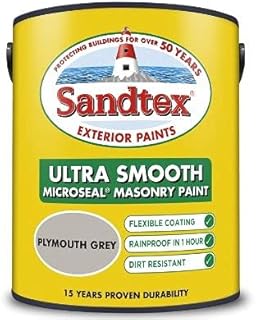
- Sandtex Microseal Exterior Smooth Masonry Paint | Pure Brilliant White 1L | Rainproof in 1 hour
- earthborn Claypaint, Breathable paint for Walls and Ceilings (Bunny Hop, 2.5 Litre)
- Sandtex Ultra Smooth Masonry Paint - Pure Brilliant White - 7.5 litres
2. Non-Biodegradable Waste
Conventional paints often contain synthetic, petroleum-based components that do not break down naturally. Paint waste—whether from rinsing brushes, spills, or old paint cans—can persist in the environment for years, polluting soil and waterways.
3. Harmful Manufacturing Processes
The production of traditional masonry paint can involve energy-intensive processes and unsustainable sourcing of raw materials. Factories generating these paints may also emit greenhouse gases or contribute to local pollution, further increasing their environmental impact.
4. Long-Term Environmental Damage
When traditional paint inevitably wears out or flakes away, its synthetic components can end up in the ecosystem as microplastics, harming aquatic life and entering the food chain. These residual particles contribute to the growing problem of plastic pollution worldwide.
Key Environmental Benefits of Eco-Friendly Masonry Paint
Eco-friendly masonry paint addresses many of these problems, offering a long list of benefits for the environment. Here’s how switching to sustainable alternatives can make a difference:
1. Reduced Air Pollution
With low or zero VOC content, eco-friendly paints drastically reduce the release of harmful chemicals into the atmosphere. This directly combats air pollution, contributing to cleaner, healthier air for both urban and rural areas. Improved air quality benefits not only ecosystems but also human communities, reducing respiratory illnesses caused by inhaling toxic fumes.
2. Improved Indoor Air Quality
Eco-friendly masonry paint is free from toxic chemicals and harsh odours, making it safer to use indoors or in enclosed spaces. This contributes to healthier living environments, particularly for families with children, pets, or individuals with sensitive respiratory systems.
3. Biodegradable and Sustainable Materials
Many eco-friendly paint formulations rely on biodegradable ingredients derived from renewable resources. When disposed of correctly, these paints break down naturally without harming the environment, reducing the accumulation of waste in landfills or waterways.
4. Lower Carbon Footprint
By using renewable energy, recycling water, and sourcing raw materials responsibly, manufacturers of eco-friendly masonry paint significantly reduce their carbon footprint. When you use these products, you’re indirectly supporting sustainable production practices that prioritise the planet.
5. Longevity and Durability
Eco-friendly masonry paints are often formulated with durability in mind, meaning they require less frequent repainting. This reduces the total amount of paint needed over the lifespan of a painted surface, cutting down on waste and resource consumption in the long run.
How to Choose the Right Eco-Friendly Masonry Paint
The growing demand for sustainable materials has led to an influx of masonry paint products claiming to be “eco-friendly.” However, not all of these claims are verified. Here are some factors to consider when choosing an environmentally responsible product:
1. Look for Certifications
Third-party certifications, such as EU Ecolabel or other recognised environmental organisations, provide assurance that a product meets stringent ecological standards.
2. Check the VOC Content
Most eco-friendly paints will specify their VOC content on the packaging. Look for paints labelled as "low VOC" or "zero VOC" to ensure a safer and cleaner choice.
3. Research the Brand
Some brands are more transparent than others about their production processes and sustainability efforts. Opt for manufacturers with a proven track record of environmental commitment and ethical practices.
4. Read the Ingredients
Pay attention to the ingredients list. Natural pigments, plant-based binders, and water-soluble solvents indicate a cleaner and more sustainable product.
The Role of Eco-Friendly Paint in Sustainable Living
Switching to eco-friendly masonry paint is a simple yet effective way to contribute to a sustainable future. Beyond its environmental benefits, sustainable painting practices align with the principles of green building and eco-conscious living. This approach to home improvement can inspire better choices in other aspects of life, from energy usage to waste management.
For businesses, using eco-friendly paint can enhance their sustainability credentials, appealing to customers who value environmentally responsible companies. Meanwhile, governments and urban planners around the world are increasingly incorporating eco-friendly paints into the design and maintenance of public buildings, schools, and infrastructure, reflecting the broader shift towards green construction.
Conclusion
Eco-friendly masonry paint is more than just a trend; it represents a meaningful step towards a sustainable future. By opting for paints that reduce air pollution, minimise toxic waste, and prioritise renewable resources, you can play an active role in protecting the environment for future generations.
The environmental benefits of using eco-friendly masonry paint extend beyond your property’s walls. These paints support sustainable production methods, foster healthier indoor and outdoor air quality, and contribute to the global fight against plastic pollution and climate change. With longevity and durability to boot, they offer excellent value for environmentally conscious homeowners and professionals alike.
Making the switch to eco-friendly masonry paint is a simple yet impactful choice. As more people and organisations embrace sustainable practices, small actions like choosing the right paint can collectively bring about significant change. The planet will thank you for it.