The Cost of Masonry Paint: What You Need to Know
Introduction
Painting masonry, whether it’s the exterior walls of your home, a garden wall, or other outdoor structures, is a key part of maintaining and improving the appearance and durability of a property. One of the most important considerations in planning such a project is understanding the cost of masonry paint. While masonry paint can vary significantly in price, depending on factors like type, quality, and brand, it’s critical to know what influences these prices and how they align with your specific requirements.
Buying the cheapest paint on the market might seem like a money-saving decision, but it could compromise the quality and longevity of your finish, leading to higher costs over time. Alternatively, opting for premium masonry paint can seem like a significant investment upfront but often delivers better results and long-term value. So, how do you strike the right balance?
This article explores everything you need to know about the cost of masonry paint. We’ll delve into the factors that affect pricing, provide insights into standard costs, and help you make an informed decision for your next project.
What Is Masonry Paint?
Before diving into its cost, it’s worth understanding the purpose and formulation of masonry paint. Masonry paint is a specially designed product for coating bricks, stone, render, and other masonry materials. Unlike standard interior paints, masonry paint is formulated to withstand harsh outdoor conditions, including rain, UV sun exposure, frost, and temperature fluctuations.
Key characteristics of masonry paint include:
- Weather Resistance: Protects surfaces from water ingress, reducing the risk of damp and structural damage.
- Breathability: Allows trapped moisture within walls to escape, preventing issues like mould and peeling.
- Durability: Offers long-lasting coverage, often designed to last up to 10 or 15 years.
The specialised nature of masonry paint means it is often priced higher than standard paints. However, the investment can save you money in the long term by reducing the need for frequent repainting and protecting your property from costly damage.
Factors That Affect the Cost of Masonry Paint
The cost of masonry paint can vary significantly, depending on several important factors. By understanding these variables, you’ll be better equipped to determine what fits your budget and meets your requirements.
1. Type of Paint
Masonry paints generally come in two primary types, and the choice between them influences the cost:
- Water-Based Masonry Paint: Typically less expensive and widely used for its ease of application and quick drying times. While water-based paints are suitable for most general purposes, they may not be as durable in extreme weather conditions.
- Solvent-Based Masonry Paint: Solvent-based options tend to be pricier due to their tough, weather-resistant properties. These paints are ideal for areas with severe weather or high-impact environments but are more labour-intensive to apply.
2. Quality and Brand
Unsurprisingly, higher-quality paints from reputable brands cost more than budget alternatives. Premium paints often contain better pigments, binders, and additional protective elements (like UV inhibitors), which improve coverage and extend the lifespan of your finish. Popular brands like Dulux, Sandtex, and Johnstone's may charge a premium due to their proven performance and reliability.
People Also Look For:
- Double Thick Chip Paint Brush Set, Wood Stain Brushes for Painting Walls and Fence Staining, Wooden Handle Masonry Paintbrush for ...
- Landlords Anti Damp Paint | Matt Finish Paint | 1L in 20+ Colours | Cover Stains | Damp Paint for Wall and Ceiling | Anti Condensa...
- Landlords Weather Shield Equinox Smooth Masonry Paint | 2.5L in 30+ Colours | Storm Proof, Scrub Resistance | Weatherproof Technol...
- Sandtex Retail Ultra Smooth Masonry Brilliant White 2.5 L
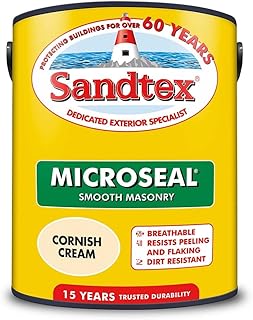
- Sandtex Ultra Smooth Masonry Paint 5 Litre Stock Colours - Cornish Cream
3. Volume/Quantity
Masonry paint is sold in containers of varying sizes—typically ranging from 2.5 litres to 20 litres. Larger containers often offer better value per litre, making them ideal for big projects, while smaller containers are more economical for touch-ups or small-scale work.
4. Durability
Many masonry paints are marketed with varying lifespans, such as 5, 10, or even 15 years. Longer-lasting options tend to be more expensive upfront but eliminate the need for frequent repainting, saving money over time.
5. Special Features
Some masonry paints include specialised properties that can increase their price:
- Anti-mould or anti-algae formulations.
- Thermal insulation to improve energy efficiency.
- Textured finishes for added aesthetic appeal or to hide imperfections.
- Quick-drying or self-cleaning properties.
6. Retailer
The cost of masonry paint can vary depending on where you purchase it. Local DIY stores, large building suppliers, and online retailers often sell the same brands at different prices. Bulk orders or seasonal sales can also offer savings, so it’s worth shopping around.
Average Costs of Masonry Paint
To help you budget effectively, here is a general breakdown of masonry paint costs based on the factors discussed:
1. Budget Paints
These products are the most affordable, costing approximately £10–£20 for a 5-litre tub. They are ideal for small projects or temporary solutions but may lack long-term durability and coverage quality.
2. Mid-Range Paints
Mid-range paints offer a balance of quality and affordability. Prices typically fall between £20–£40 for a 5-litre container. These paints are suitable for most residential projects and often come with good weather resistance and decent coverage.
3. Premium Paints
Premium masonry paints can cost anywhere from £40–£80 (or more) for a 5-litre tub. These are products designed to last 10–15 years, with superior coverage, vibrant finishes, and advanced protective features.
4. Speciality Paints
Products with additional features like mould resistance or thermal insulation tend to cost upwards of £50–£120 per 5 litres, reflecting their added value and niche application.
How to Determine Value for Money
Rather than simply opting for the cheapest or most expensive product, focus on value for money. Here’s how to determine which masonry paint offers the best return on investment for your project:
1. Coverage
Check the “coverage per litre” indicated on the packaging. A paint that covers more square metres per litre might cost more but could end up saving you money by requiring fewer coats.
2. Lifespan
Consider how long the paint is expected to last. A high-quality masonry paint with a 10-year guarantee, even if pricier, will likely cost less over time than a cheaper option needing frequent reapplication.
3. Suitability for the Surface
Ensure that the paint is compatible with your masonry type and environmental conditions. Using the wrong paint could lead to peeling or poor adhesion, resulting in additional costs for repairs.
4. Ease of Application
Some paints are more labour-intensive, requiring primers or multiple coats. Choosing a product with good adhesion and coverage can save time and effort, particularly if you’re hiring a professional.
Saving Money on Masonry Paint
Painting your masonry doesn’t have to break the bank. Here are some tips to help you reduce costs without sacrificing quality:
1. Compare Prices
Shop around both online and in-store to find the best deals. Take advantage of seasonal sales and discounts offered by retailers.
2. Check for Reviews
Customer reviews and recommendations can help you identify products that deliver excellent performance for a reasonable price.
3. Buy in Bulk
If you’re working on a large project, buying larger containers or bulk orders can often reduce the cost per litre.
4. Plan Efficiently
Carefully measure the surface area to ensure you buy the right quantity of paint, avoiding unnecessary waste.
5. Use a Primer
Applying a primer beforehand can improve the coverage of your paint, allowing you to use less per coat and achieve a better finish.
Conclusion
Understanding the cost of masonry paint involves more than just looking at the price tag. Factors like durability, coverage, and special features all play a role in determining the true value of a product. By considering your specific needs—such as the size of your project, the environmental conditions, and your aesthetic preferences—you can choose a paint that offers the best balance of cost and performance.
Whether you’re working on a tight budget or willing to invest in premium products, there is masonry paint to suit every requirement. Shop smart, compare products, and don’t forget to prioritise quality to achieve both long-lasting and visually stunning results. Ultimately, the right masonry paint not only enhances the appearance of your property but also protects it for years to come, making it a worthy investment in the upkeep of your home or building.