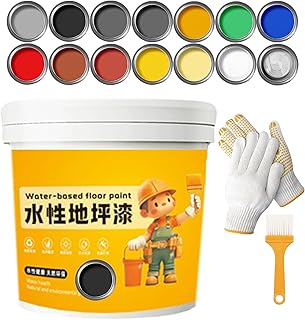
How to Apply Masonry Paint to Concrete Surfaces
Introduction
When it comes to improving the appearance and protecting concrete surfaces, masonry paint is an outstanding solution. Not only does it provide an attractive finish, but it also creates a durable layer that can withstand the harshest weather elements. Many homeowners and DIY enthusiasts opt for masonry paint to cover outdoor concrete walls, pathways, garden features, or other exposed areas.
However, applying masonry paint to concrete surfaces isn’t as straightforward as it may seem. Without the right approach, your efforts may result in peeling, uneven finishes, or paint that wears down prematurely. This guide will provide a comprehensive step-by-step breakdown of how to properly prepare, apply, and care for masonry paint on concrete surfaces. With these techniques, you’ll achieve professional-looking results whether you’re refreshing your property’s exterior or tackling your next DIY project.
What is Masonry Paint?
Masonry paint is a specially formulated paint designed to be used on surfaces like brick, stone, cement, and – of course – concrete. Unlike traditional paints, it’s created to handle external pressures such as rain, frost, UV rays, and temperature fluctuations. This level of durability makes it ideal for outdoor applications or areas exposed to heavy wear and tear.
There are various types of masonry paints available, including acrylic-based, silicone-based, and lime-based options. Each type has unique characteristics such as water resistance, breathability, or crack-bridging capabilities. Some masonry paints are also designed specifically for added flexibility, accommodating any movement in the concrete surface without cracking or peeling.
Understanding how this paint works — and why it’s suitable for concrete — is essential before starting your painting project. Let’s now explore how to correctly apply it to concrete surfaces.
Preparing Your Concrete Surface
Proper preparation is key to achieving a smooth, long-lasting finish when painting concrete. Without adequate preparation, you risk poor adhesion, uneven colour, and reduced durability. Take these steps to ensure your surface is fully ready for painting:
1. Clean the Surface Thoroughly
Cleaning your concrete surface is essential to remove any dirt, grease, moss, or debris. Use a stiff scrubbing brush to give the surface a good scrub, or opt for a pressure washer for tougher stains, particularly on outdoor concrete.
Make sure to remove any existing paint remnants, as this can hinder the adhesion of the masonry paint. Additionally, check for algae or mould growth and apply a fungicidal wash to eliminate these substances completely.
2. Repair Cracks and Damage
Inspect the surface carefully for cracks, holes, or weaknesses. Concrete is prone to cracking over time, and these imperfections must be addressed before painting. Fill small cracks with a masonry filler or sealant. Larger cracks may require a flexible patching compound.
People Also Look For:
- Landlords Weather Shield Equinox Smooth Masonry Paint | 2.5L in 30+ Colours | Storm Proof, Scrub Resistance | Weatherproof Technol...
- Sandtex 2.5 Litre Ultra Smooth Masonry Paint Black
- THE ONE Paint & Primer: Most Durable Furniture Paint, Cabinet Paint, Front Door, Walls, Bathroom, Kitchen, Tile Paint and More - Q...
- Earthborn Clay Paint 5 Litre White
- earthborn Claypaint, Breathable paint for Walls and Ceilings (Mittens, 2.5 Litre)
Once repaired, smooth out the area with sandpaper or a sanding block. This ensures the surface is uniform, preventing noticeable inconsistencies once the paint is applied.
3. Dry the Surface Completely
Concrete is highly porous and can retain moisture, especially after cleaning or repairs. Painting on a damp surface can cause the masonry paint to bubble, peel, or fail to adhere properly. Allow the surface to dry thoroughly before proceeding. For outdoor surfaces, choose a period with consistent dry weather for best results.
4. Use a Suitable Primer
Applying a primer is an important step, particularly for porous or newly rendered concrete. A primer helps seal the surface, reduces absorbency, and ensures better adhesion of the masonry paint.
Select a primer specifically designed for concrete and masonry. Apply it evenly across the surface with a brush or roller, and allow it to dry as per the manufacturer’s instructions.
Choosing the Right Masonry Paint
Not all masonry paints are created equal, and choosing the right type for your project will have a significant impact on your results. Consider the following when selecting a suitable paint:
- Acrylic-Based Paint: Highly durable and water-resistant, this type is excellent for exterior concrete surfaces such as walls and patios.
- Silicone-Enhanced Paint: Excellent for areas exposed to extreme weather, as it repels water while remaining breathable.
- Flexible Paint: Ideal for concrete surfaces with existing cracks or where movement is expected, as it adapts to potential surface shifts.
- Textured Paint: If you want an anti-slip surface for walkways or eliminate visible imperfections, textured paints are a solid choice.
Ensure you choose a high-quality paint brand and check the product label for compatibility with concrete surfaces and exterior use.
Step-by-Step Guide to Painting Concrete with Masonry Paint
Once your concrete surface is prepared and your materials are ready, it’s time to start painting. Follow these steps for a flawless finish:
1. Gather Your Supplies
Before you begin, ensure you have all the necessary tools and materials:
- Masonry paint (enough to cover the total surface area, with extra for touch-ups)
- Concrete primer, if required
- Paintbrushes (for corners and detailing)
- Paint rollers or a sprayer (for large areas)
- Drop cloths to protect surrounding areas
- Masking tape for edges
- Protective gloves and clothing
Having all your tools at hand will save time and prevent unnecessary interruptions during the process.
2. Mask and Protect Surroundings
Use masking tape to cover any areas you don’t want painted, such as adjoining walls, trims, or windows. Lay down drop cloths to protect flooring or plants if working outdoors. This step ensures a clean, professional result.
3. Apply the First Coat
Start by painting the edges and corners using a paintbrush. Once the edges are completed, use a roller or paint sprayer to apply the masonry paint to the main surface area. Work in small sections, ensuring the paint is evenly distributed without leaving streaks or drips.
Follow the manufacturer’s instructions on application methods, and don’t over-apply the paint, as thick layers can result in cracking or peeling.
4. Allow Proper Drying Time
Let the first coat dry thoroughly before applying the next one. Drying times often vary depending on weather conditions, but typically, masonry paint requires 4-6 hours before recoating.
Ensure the surface remains dust-free during this waiting period to avoid contaminants sticking to the wet paint.
5. Apply the Second Coat
Once the first coat is dry, apply a second coat to achieve a more uniform finish and increase durability. Again, work in small sections and maintain even coverage.
Depending on the masonry paint and the condition of your concrete surface, a third coat may be necessary for optimal coverage and performance.
6. Inspect and Touch Up
After completing all coats and allowing the paint to dry fully, inspect the surface for any missed spots or imperfections. Use a paintbrush to touch up these areas carefully.
Maintenance and Long-Term Tips
To keep your painted concrete surface in excellent condition, follow these maintenance practices:
- Wash the surface periodically to remove dirt, grease, or stains.
- Inspect for peeling, cracks, or wear, and repaint areas as needed.
- Reapply a fresh coat of masonry paint every 5-10 years, depending on weather exposure and surface conditions.
- Protect painted areas from heavy furniture or equipment that could scratch or damage the surface.
With proper care, your painted concrete surface will remain attractive and durable for years to come.
Conclusion
Applying masonry paint to concrete surfaces can enhance their appearance and extend their longevity, making them more resistant to environmental damage. However, successfully painting concrete requires careful preparation, the right tools, and attention to detail throughout the process.
By cleaning, repairing, and priming your surface beforehand, and using high-quality masonry paint, you can achieve a professional finish with long-lasting results. Follow the steps outlined in this guide, and you’ll be well on your way to creating a durable, visually appealing concrete surface that withstands the test of time.
Whether you’re tackling an outdoor wall, a concrete path, or another project, this guide equips you with the knowledge to approach the job with confidence and skill.